Gas Appliance Complete Machine Testing Equipment: Essential Systems for Zero-Defect Manufacturing
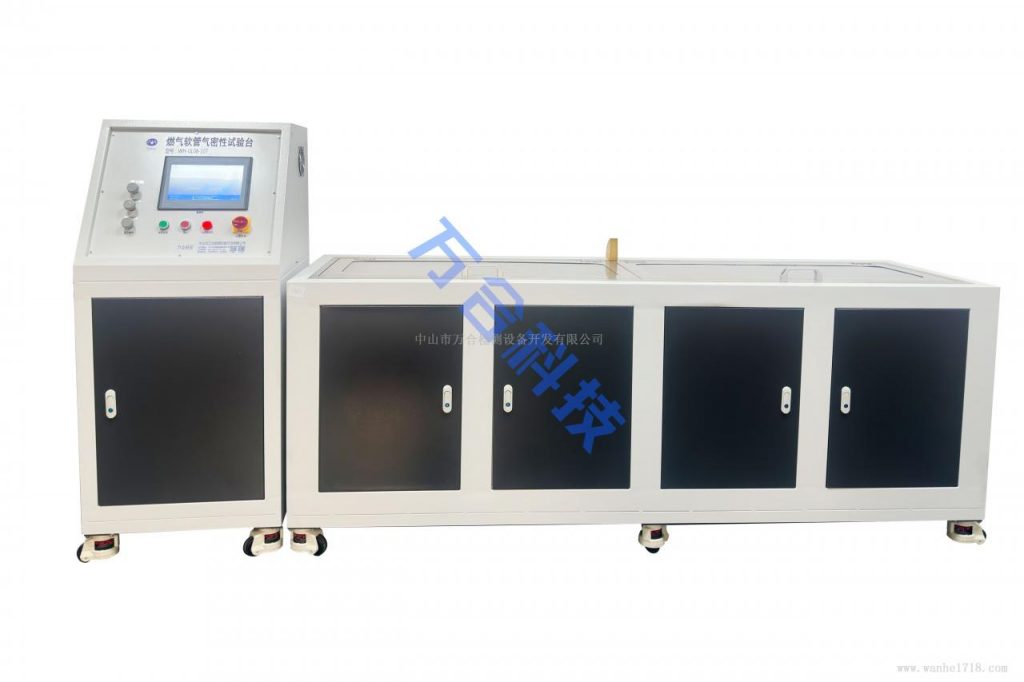
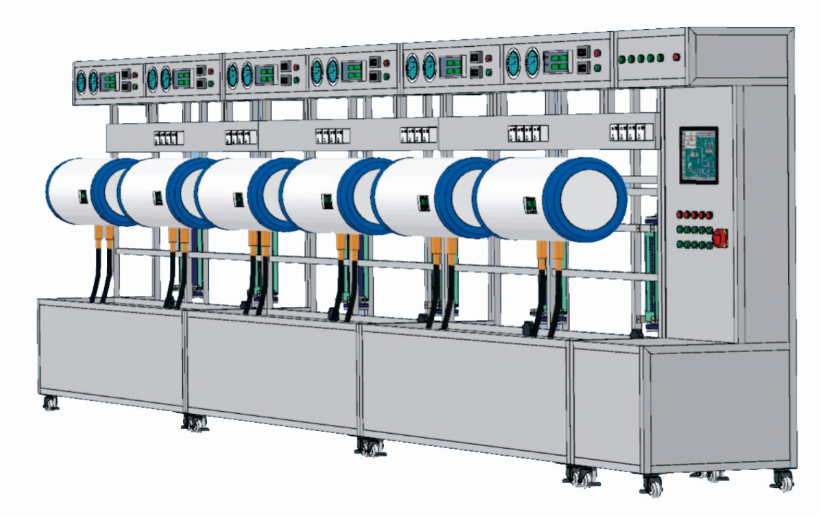
In the gas appliance industry, product failure is not an option. A defective gas valve, an unstable flame, or a micro-leak in a heat exchanger can lead to property damage, personal injury, and catastrophic brand erosion. To eliminate these risks, leading manufacturers deploy Gas Appliance Complete Machine Testing Equipment—sophisticated automated systems designed to validate every performance parameter before a product reaches the shipping dock.
This guide provides a technical deep-dive into these essential quality assurance systems, exploring their functionality, applications, and the measurable business value they deliver.
What is Gas Appliance Complete Machine Testing Equipment?
Gas Appliance Complete Machine Testing Equipment refers to an integrated suite of automated test stations that evaluate fully assembled gas appliances under simulated operating conditions. Unlike incoming inspection of individual components, complete machine testing assesses the holistic interaction of all subsystems—gas trains, burners, electronic controls, safety interlocks, and mechanical enclosures.
These systems replicate years of real-world usage in a controlled laboratory environment, identifying failure modes that might otherwise remain hidden until the appliance is installed in a customer’s home.
The Quality Assurance Mandate
Modern testing equipment serves three primary functions:
-
Safety Validation: Verifying that every safety mechanism functions as designed.
-
Performance Verification: Ensuring thermal output, efficiency, and emissions meet specifications.
-
Durability Confirmation: Proving that the appliance withstands prolonged operational stress.
Core Categories of Gas Appliance Testing Systems
A comprehensive quality program incorporates multiple testing modalities, each addressing specific failure risks.
1. Gas Leak Detection and Air Tightness Testers
Leak detection is the first and most critical line of defense. These systems use differential pressure transducers or mass flow sensors to verify the hermetic integrity of gas-carrying components.
-
Operating Principle: The test station seals the appliance’s gas inlet, pressurizes the internal circuit with air or nitrogen, and monitors for pressure decay over a defined interval.
-
Sensitivity Requirements: Industrial-grade systems detect leaks as small as 0.1 cc/min, ensuring compliance with stringent safety codes like ANSI Z21.1.
-
Application Scope: Validates every joint, valve seat, and fitting from the gas inlet to the burner orifice.
2. Combustion Analysis and Emissions Benches
With regulatory pressure mounting on emissions, particularly Carbon Monoxide (CO) and Nitrogen Oxides (NOx), combustion analysis has become a mandatory production checkpoint.
-
Critical Measurements:
-
CO and CO2 Concentration: Indicates combustion completeness and safety.
-
Excess Oxygen (O2): Used to calculate air-fuel ratio and efficiency.
-
NOx Emissions: Essential for compliance with South Coast AQMD rules and European standards.
-
Flame Rectification Current: Confirms flame sensor functionality.
-
-
Advanced Features: Modern benches incorporate gas blending capabilities to test appliances with varying methane or propane compositions, simulating real-world fuel variability.
3. Functional Life and Endurance Test Rigs
Durability testing validates that mechanical and electrical components survive decades of use. Endurance rigs automate repetitive stress cycles while monitoring performance degradation.
-
Typical Test Protocols:
-
Valve Cycling: Automated actuators operate gas control knobs for 50,000 to 100,000 cycles.
-
Ignition System Testing: Repeatedly fires igniters to ensure reliable lighting.
-
Thermostat Calibration: Monitors temperature control drift over extended burn periods.
-
Door Mechanism Fatigue: For ovens, automated arms test hinge and latch durability.
-
4. Water Flow and Thermal Performance Stations
For gas water heaters and combination boilers, hydraulic performance is as critical as combustion safety.
-
Testing Capabilities:
-
Flow Rate Sensitivity: Simulates variable household demand to verify temperature stability.
-
Recovery Efficiency: Measures reheat time after heavy draw.
-
Scalding Protection: Validates anti-scald devices under low-flow conditions.
-
Freeze Protection: Tests algorithms for units installed in unconditioned spaces.
-
5. Electrical Safety and Ground Bond Testers
Modern gas appliances integrate sophisticated electronics, creating hybrid safety requirements.
-
Essential Electrical Tests:
-
Dielectric Withstand (Hipot): Verifies insulation integrity against high voltage.
-
Ground Bond Continuity: Ensures safety ground path can carry fault current.
-
Leakage Current: Monitors current leakage to ground during operation.
-
Power Consumption: Confirms compliance with energy labeling requirements.
-
Strategic Benefits of Comprehensive Testing
Investing in advanced Gas Appliance Complete Machine Testing Equipment delivers quantifiable returns across the organization.
Risk Mitigation and Liability Protection
Automated testing provides documented evidence of due diligence. In the event of a field incident, comprehensive test records demonstrate that reasonable care was exercised during manufacturing, potentially limiting liability exposure.
Accelerated Product Development
Automated test benches compress R&D validation cycles. Engineers can iterate rapidly, identifying and resolving design flaws before production tooling is committed. This speed-to-market advantage translates directly to competitive positioning.
Data-Driven Quality Improvement
Modern testing systems generate granular data suitable for Statistical Process Control (SPC). Analyzing trends—such as gradual drift in CO levels—enables predictive defect prevention rather than reactive detection.
Global Market Access
Testing equipment calibrated to multiple international standards allows manufacturers to certify a single product for North America, Europe, and Asia simultaneously, eliminating redundant testing costs.
Selecting Testing Equipment: Critical Selection Criteria
The effectiveness of your quality program depends on hardware capabilities and supplier expertise.
Customization and Flexibility
Standard testers rarely accommodate unique product geometries. Seek suppliers offering:
-
Custom Fixture Design: Tooling tailored to your specific product dimensions.
-
Modular Software: Platforms allowing in-house test sequence modifications.
-
Future-Proofing: Equipment compatible with hydrogen-enriched fuel blends.
Metrology and Precision
Test validity hinges on sensor accuracy. Verify that all measurement devices offer:
-
NIST-Traceable Calibration: Verifiable accuracy against national standards.
-
High Resolution: Capability to detect subtle performance variations.
-
Thermal Compensation: Stability despite ambient temperature fluctuations.
Industry 4.0 Integration
Testing equipment must function as a data node within your digital ecosystem. Look for:
-
OPC-UA Connectivity: Standardized protocols for MES integration.
-
Cloud-Based Aggregation: Centralized storage for enterprise trend analysis.
-
Intuitive HMIs: Touchscreen interfaces minimizing operator error.
Technical Support Infrastructure
Given precision requirements, downtime is unacceptable. Evaluate:
-
Spare Parts Availability: Readily accessible critical components.
-
On-Site Calibration: Technicians capable of NIST-traceable calibration at your facility.
-
Training Programs: Comprehensive operator and maintenance instruction.
Emerging Trends in Gas Appliance Testing
The industry is evolving rapidly, driven by decarbonization and digitalization.
Hydrogen-Ready Testing Capabilities
As utilities blend hydrogen into gas networks, appliances must handle variable fuel compositions. Future equipment requires:
-
Dynamic Gas Blending: Precise hydrogen-methane mixing.
-
Enhanced Leak Detection: Hydrogen’s small molecules demand higher sensitivity.
-
Modified Combustion Protocols: Validating stability across the blending range.
AI-Powered Visual Inspection
Machine vision with artificial intelligence augments traditional sensors by:
-
Analyzing flame geometry for combustion anomalies.
-
Inspecting solder joints and mechanical assemblies.
-
Verifying component presence and orientation.
Predictive Maintenance for Testers
Testing equipment itself is becoming intelligent. Embedded sensors monitor health, predicting failures and scheduling maintenance proactively to prevent production interruptions.
Implementation Best Practices
Deploying new testing equipment requires strategic planning.
Production Line Integration
Position test stations immediately after final assembly, before packaging. This allows defect remediation without disassembling packaged units, minimizing rework costs.
Comprehensive Operator Training
Invest in training covering:
-
Proper fixture loading and alignment.
-
Test result interpretation and error code response.
-
Basic troubleshooting and preventive maintenance.
Continuous Validation Protocol
Establish regular calibration verification using check standards—known good and known defective units—to confirm that testing equipment consistently makes correct pass/fail decisions.
Conclusion
For manufacturers committed to excellence, Gas Appliance Complete Machine Testing Equipment is a strategic investment in brand protection and operational efficiency. By implementing comprehensive testing protocols—covering leak detection, combustion analysis, endurance validation, and electrical safety—manufacturers can deliver products that satisfy the most demanding global standards while earning enduring customer trust.
As the industry transitions toward hydrogen fuels and smart appliances, precision testing will only grow in importance. Manufacturers who partner with innovative testing solution providers today will lead in the zero-defect, high-reliability landscape of tomorrow.